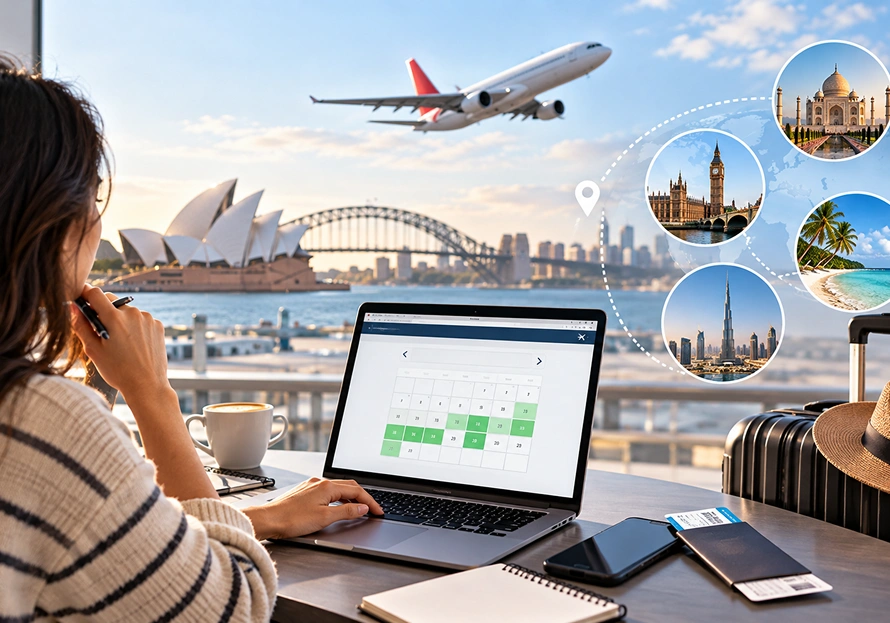
Planning your first international trip from Australia is an exciting milestone. At the same time, it can feel confusing when you are unsure where to start or what truly matters. This beginner-friendly guide simplifies international travel planning Australia travellers need, so you can prepare confidently and travel without stress. To get started, many travellers choose to book best flight and hotel deal at BookMyTrip, which offers convenient options for both.
Inshorts: What You Must Know Before Your First International Trip
Passport and visa checks are essential
Travel insurance protects you from major risks — don’t forget to buy travel insurance before your trip
Budget and money planning avoid last-minute stress, including managing foreign currency and US dollars
Smart packing saves time and effort; be aware of airline rules regarding sharp objects in your carry-on luggage
Official Australian travel advice keeps you safe and informed about legal requirements and how changes can affect your travel plans
Passport, Visa Essentials and Travel Advice for Australians
Your international journey starts with proper documentation. Missing or incorrect paperwork is one of the most common mistakes first-time travellers make. Understanding entry rules early helps avoid delays, extra costs, or denied boarding.
Ensure your passport is valid for at least six months beyond your return date. Always check the expiry date and passport number to avoid entry issues.
Review visa requirements for Australians based on your destination country, especially if you are visiting Australia, and note that the Department of Foreign Affairs and Trade does not issue visas for this purpose.
Check whether your destination allows visa-free or visa-on-arrival entry.
Apply for embassy visas well in advance.
Carry printed and digital copies of your passport and visa. Having a copy of your travel documents can make replacing them easier if you lose them overseas.
Keep photocopies of your travel documents in a secure location.
Contact the embassy or consulate of your destination to confirm visa and entry requirements.
Different destinations have different visa and entry requirements that can change regularly. It is important to check these for your destination and all transit locations before booking travel.
Travel Insurance for International Trips
Travel insurance is not just a safety net; it is a necessity for overseas travel. Medical care abroad can be extremely expensive without cover for risks such as losing your passport, theft of valuables, and medical emergencies. Comprehensive travel insurance is as important as your passport for overseas travel.
Covers emergency medical treatment and hospitalisation
Helps with trip cancellations, delays, or missed connections
Provides compensation for lost baggage or documents
Required for entry into some countries
Travel insurance should cover you for the places you’ll visit, the activities you’ll do, and any pre-existing medical conditions
Some travel insurance policies can cover costs of cancellation and alterations to your plans
Many travel insurance policies won’t cover your valuables if they’re damaged or lost while in checked luggage
Choosing the right travel insurance Australia international plan is a key part of your international travel preparation guide.
Budget Planning for First-Time Overseas Travel
A realistic budget ensures you enjoy your trip without financial pressure. Many beginners underestimate daily expenses, emergency costs and the best times to book cheap flights to Australia. Proper planning makes your travel experience smooth and controlled. It’s also important to have several payment options available, such as travel cards, cash, and local currency, to avoid issues with access or unexpected fees.
Flexible Booking Options Can Save You Money. Try to alter your travel dates to get the best deals.
Set a daily spending limit based on your destination
Include flights, accommodation, meals, transport, and activities
Keep a buffer amount for emergencies
Carry a small amount of cash, as some destinations require cash-only payments for entry visas
You don’t have to pay top dollar for quality travel gear—budget for value and durability
Track expenses using mobile apps or notes
These international travel budget tips are especially helpful for travel budgeting for first timers. To find the best options, many travellers prefer to book best flight and hotel deal at BookMyTrip, which can simplify this process.
Managing Money and Foreign Currency
Handling money smartly overseas prevents unnecessary stress. Relying on a single payment method can create problems in unfamiliar places. It’s important to have several payment options—such as travel cards, cash, and local currency—to mitigate risks like access issues, unexpected fees, and currency exchange concerns. Planning ahead ensures easy access to funds wherever you go.
Carry both cards and limited cash, including some US dollars and foreign currency as appropriate
Inform your bank about international travel plans to avoid your cards being blocked
Exchange a small amount of currency before departure
Use international debit or forex cards
Avoid carrying large sums of cash
These practical currency exchange tips Australia travellers should follow improve safety and convenience.
Packing Smart: International Travel Checklist Australia
Before you start packing, research your destination’s climate, cultural norms, and customs to ensure you bring appropriate clothing and essentials. It is also important to keep navigating the world of best flight deals.
Packing correctly helps you stay organised and comfortable throughout your trip. Overpacking is common among first-time travellers. A balanced checklist keeps things simple and efficient. Select the right bag and quality luggage for durability and protection.
Organise your luggage using packing cubes to maximise space and make packing more efficient. Always check the rules surrounding checked and cabin luggage before packing to avoid issues at the airport.
Passport, visa, and travel insurance documents
Universal travel adapter
Essential medicines with prescriptions
Weather-appropriate clothing and footwear
Flight, hotel, and transport confirmations
High-value items like electronics and jewellery packed in your carry on luggage for safety
Toiletries in travel-size containers to save space
Remember to avoid packing sharp objects in your carry-on luggage to comply with airline regulations and legal requirements
This overseas travel checklist Australia travellers rely on supports smooth first overseas holiday planning.
Australian Travel Rules and Safety Advice
Knowing official rules and safety guidance helps you travel responsibly. Each destination has different laws and customs. Staying informed reduces risk and builds confidence abroad.
Visit official government websites to check travel advisories and understand the current advice level for your destination.
Search for the latest travel advice and safety information before departure to stay updated on any changes.
Follow Australian international travel rules before departure.
Take Smart Traveller Australia advice for alerts and guidelines.
Respect local laws and cultural norms.
Prioritize security by protecting your belongings, keeping your travel documents safe, and using digital security measures to protect your personal data.
Share your itinerary and emergency contacts with a trusted friend, family member, or friends so they can assist in case of emergencies.
Keep a hardcopy list of phone numbers, including emergency contacts, while traveling.
Prepare your home to be unoccupied if you’re going on a multi-week trip.
If staying in a hotel, carry your valid passport, visa proof, valid ID and booking confirmation copy with you.
BookMyTrip will also provide special offers and cheap hotel deals for your next trip.
These steps are essential for stress-free international travel.
Practical Tips for First-Time International Travellers
Small habits can make a big difference during your first trip. Staying organised and flexible improves your overall experience. These tips help new travellers feel more confident abroad.
Download useful travel apps like Google Maps to help navigate new cities and make informed decisions during your trip.
Keep your mobile phone charged and accessible, and carry a hard copy of important phone numbers for safety.
Arrive at the airport early and check in online if possible to save time.
Keep important documents secure and make copies in case of loss.
Ensure you have enough medication for your trip and bring copies of prescriptions.
Consult your healthcare provider about vaccinations and health concerns for your destination.
Avoid overplanning and allow time to rest.
Remember to collect any eligible tax refunds at the airport before departure.
Stay calm and enjoy your journey on the plane and beyond.
These first international trip tips complete your beginner travel guide.
FAQs
Make sure your passport is valid, check visa requirements, buy travel insurance, set a budget, and prepare a handy checklist to keep everything on track and avoid any last-minute surprises.
While it’s not mandatory for every destination, travel insurance is highly recommended to protect you from unexpected costs. Some countries may even ask for proof of insurance before you enter.
It’s best to carry a mix of payment options—credit or debit cards plus a small amount of local currency. Avoid carrying too much cash and keep emergency funds separate for peace of mind.
Smart Traveller Australia is your go-to source for the latest safety updates, entry rules, and helpful tips for your destination.
Try to start planning at least 2-3 months ahead. This gives you plenty of time to sort out visas, book flights and accommodation, and get everything ready for a smooth trip.